Emotionally Focused Therapy (EFT) for Couples in Denver, CO

Authentic Connections Therapy and Wellness provides emotionally focused couples therapy in Denver, Greenwood Village, Colorado Springs with virtual sessions across Colorado and PSYPACT states. EFT is an attachment-based approach and one of the most researched forms of couples therapy. It's built for couples who want to understand the root cause of their conflict — not just better ways to communicate through it. Many couples come to us already able to name the cycle they're stuck in and wanting to know why it keeps happening. That's exactly where EFT begins.
What is Emotionally Focused Therapy?

Emotionally Focused Therapy is an attachment-based model of couples therapy developed by Dr. Sue Johnson, grounded in the science of adult attachment — the idea that our closest relationships function as emotional safe havens, and that most relationship distress is a form of disconnection from that safety. EFT works from the premise that underneath almost every recurring argument is a deeper question: Are you there for me? Can I reach you when I need you? Rather than starting with skills, EFT starts with understanding what's driving the reaction.
How Does EFT Work at ACTW?
A thorough assessment of your attachment system
EFT at our practice begins with structured assessment: a joint session with both partners, an individual session with each of you, and a formal attachment assessment. Rather than looking at your romantic relationship in isolation, we assess your attachment across five relationships — with your mother figure, your father figure, your romantic partner, your peers, and your romantic partner specifically during disagreements. That last one matters: many people relate to a partner very differently in calm moments than in conflict. This gives your therapist a genuinely thorough view of your attachment system and how it's shaping what happens between you.
Understanding your cycle
From there, we map your cycle — the predictable pattern the two of you fall into when a difficult topic comes up. One partner pursues while the other withdraws; one gets louder while the other goes quiet; you each brace for something before it's even been said. Naming the cycle out loud is often the first relief couples feel in EFT, because it shifts the problem from you versus me to us versus the pattern.

Finding the emotion underneath
Every cycle is powered by emotion that usually goes unspoken. Anger frequently sits on top of hurt; withdrawal often protects against feeling like a failure. In this phase we slow the cycle down and get underneath it — helping each partner access what they're actually feeling and, often for the first time, say it in a way the other person can hear.
Reaching the attachment wounds driving it
Finally, we connect what's happening now to where it came from: the attachment experiences that taught each of you what closeness costs, whether needs get met, and what happens when you reach for someone. This is the root-cause work. When couples understand why they get activated the way they do, the cycle stops being mysterious — and it becomes possible to interrupt it in real time.
Who is EFT Couples Therapy Best For?

EFT tends to be the right fit for couples who:
Already recognize their pattern and want to understand why it keeps repeating
Want insight-oriented, in-depth work rather than communication skills alone
Have some emotional language and want to go deeper with it
Feel emotionally disconnected, lonely, or unseen in the relationship
Are navigating attachment injuries — betrayal, broken trust, or repeated ruptures
Are stuck in a pursue-withdraw or anxious-avoidant dynamic
Want to understand how their families of origin shaped how they love now
Recognize patterns from past relationships or their family replaying in their current relationship
EFT and Sex Therapy

Couples often get stuck in a cycle around sex specifically — you may notice that difficulties around sex follow a familiar pattern and feel stuck on how to change it. Conversations about sex are often laden with attachment needs and old wounds. Because EFT works with the emotion and attachment needs beneath the pattern rather than the behavior on the surface, it pairs naturally with sex therapy. Many of our therapists are trained in both, and desire and intimacy concerns are frequently attachment-related. EFT can help you and your partner identify what you each actually need, and make sex feel connecting and intimate again.
EFT or the Gottman Method — Which is Right for Us?
Both are the most-researched approaches to couples therapy, and our therapists are trained in both. The Gottman Method is structured and skills-focused: assessment, concrete tools, practice. EFT works underneath the conflict, with the emotions and attachment needs driving it. Couples who want practical communication and conflict management tools often start with Gottman; couples who want to understand the root cause of their patterns tend to prefer EFT. Many couples benefit from both, and your therapist will draw on what fits your relationship rather than forcing you into one model.
Experienced EFT Therapists in Denver
-

Dr. Brittany Woolford
-
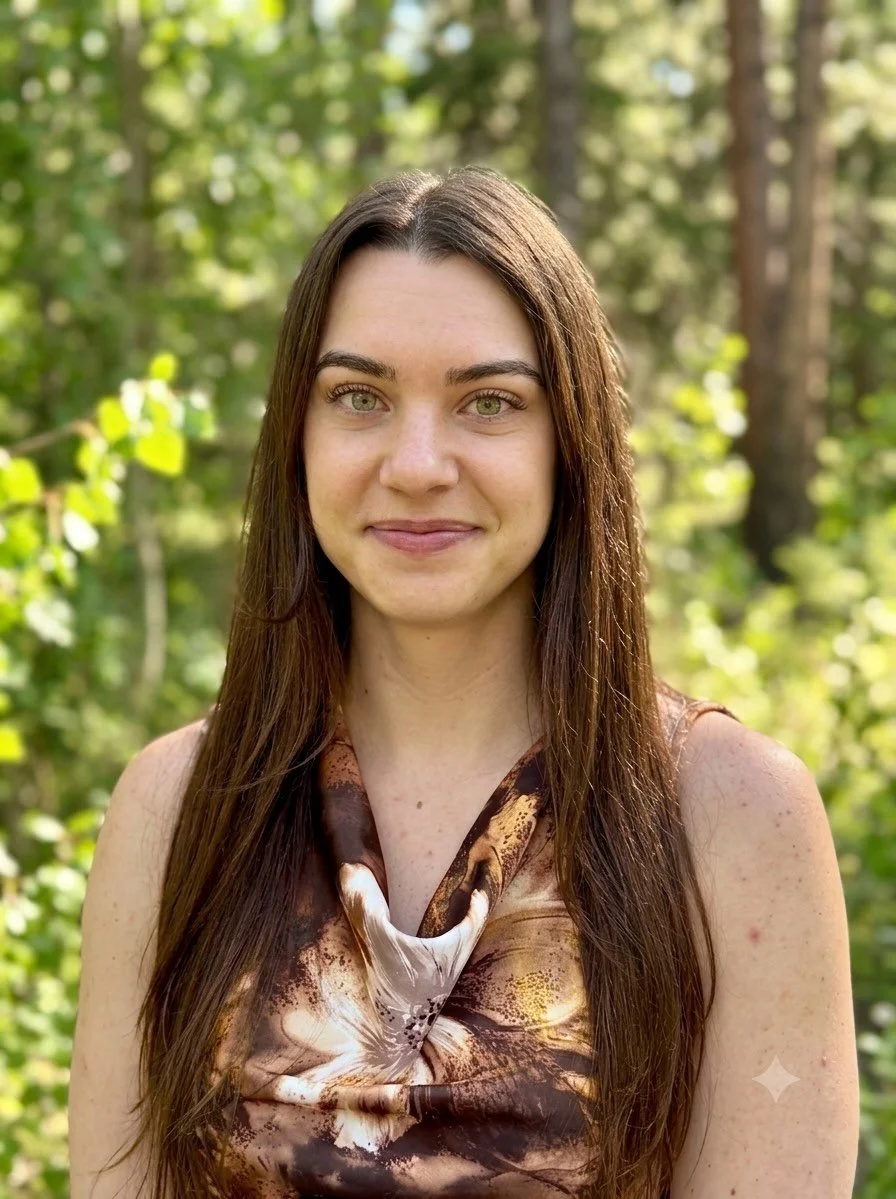
Dr. Courtney Crouse
-

Dr. Annalise Floody
-

Dr. Courtney Phillips
-

Dr. Rachel Hughitt
-

Dr. Veronica Scherbak
-

Dr. Kasey Odell
-

Dr. Celeste Tinkoff
-

Meaghan Horsley, MA
-

Karina Ernst, MA
Frequently Asked Questions about Emotionally Focused Couples Therapy
-
You'll have a joint session, an individual session with each partner, and complete an attachment assessment looking at your attachment with your mother figure, father figure, romantic partner, peers, and your partner during disagreements. Your therapist then shares what the assessment showed and you build the plan together.
-
The pursuer-distancer pattern is the most common cycle we see in couples therapy. When conflict or disconnection comes up, one partner moves toward — asking questions, pushing for resolution, wanting to talk it through now — while the other moves away, going quiet, shutting down, or leaving the room to cool off. Each response makes the other's more intense: the more one pursues, the more the other distances, and the more the other distances, the more urgently the first pursues.
Underneath, both partners are usually protecting against the same fear. The pursuer is often trying to restore connection and reassure themselves the relationship is okay. The distancer is often trying to avoid making things worse, or protecting against feeling like a failure. Neither is trying to hurt the other — but from the inside, it reliably feels that way.
In EFT, we help you name this cycle as the shared problem rather than treating each other as the problem, slow it down enough to see what's happening underneath, and learn to reach each other in the moments you'd normally lose one another. Couples often describe this as the point where the fights stop escalating.
-
No. Emotionally Focused Therapy (Dr. Sue Johnson) is an attachment-based couples model. Emotion-Focused Therapy is a separate individual model, and Emotional Freedom Technique (tapping) is unrelated to both. Our couples work uses Emotionally Focused Therapy.
-
Most couples meet weekly and work for around six months, with assessment taking the first three to four sessions. Depth work takes time, and couples generally notice the cycle de-escalating before they finish.
-
Yes. It's one of the most extensively researched approaches to couples therapy, with studies showing the majority of couples make significant improvement and that those gains tend to hold over time.
-
Often yes, though it's worth discussing at consultation. EFT doesn't require you to arrive fluent in emotional language — part of the work is developing it. Couples who want tools first sometimes prefer starting with the Gottman Method.
-
Yes. Affairs are attachment injuries, and EFT is well suited to that repair — often alongside our structured affair recovery counseling.
-
$150–$225 per session depending on the clinician. You can use HSA or FSA funds, or we can provide a superbill for out-of-network benefits. Full details on our fees and insurance page.
Find Out If Emotionally Focused Couples Therapy is Right For Your Relationship
Statistically, couples wait six years after issues start occurring before seeking couples therapy. Start the change now and get out of the negative conflict loop you're stuck in with your partner.
If you think Emotionally Focused couples therapy could be helpful for you, reach out to us! You can use our convenient online therapy scheduling.
We encourage you to get to know a little bit about our therapists, their specializations, and credentials. Get to know our therapists here.
Start your journey toward feeling connected with your partner
We hope to hear from you soon!
Couples Therapy Blog Posts











In-person and Remote Options for Emotionally Focused Couples Therapy Services in Colorado
We have offices conveniently located on the North Denver (Lower Highlands) , South Denver (Denver Tech Center), and Colorado Springs. Can’t make it into the office? No worries – we’ve got you covered with virtual therapy.
Emotionally Focused Couples Therapy in Denver Tech Center, Greenwood Village Co
Our Denver Tech Center (DTC) office is located at 5350 S Roslyn St in Greenwood Village. It shares a parking lot with the Landmark near Comedy Works South, Hapa Sushi Grill and Sake, and JING Denver.
Emotionally Focused Couples Therapy in Lower Highlands, Denver Co
Our Lower Highlands office is located at 2460 West 26th Avenue in Denver. It is right on i25, across the street from the downtown REI, and a few blocks from the Empower Stadium, The Downtown Aquarium, and Elitch Gardens
Emotionally focused Couples Therapy in Colorado Springs, Co
Our Colorado Springs office is located at 2720 E Yampa St in Colorado Springs. It is 3 miles from downtown Colorado Springs and an easy drive from the highway.