
ACTW Blogs Written by our Expert Therapists

You’re Not “Too Much”: How Your Nervous System, History, and Relationships Shape Emotional Reactions
So many people come into therapy carrying a quiet worry that their emotions are “too much.” They wonder why certain feelings come on quickly, why conflict feels overwhelming, or why their nervous system reacts before their mind can catch up. It’s easy to assume that something is wrong with you, that you’re too sensitive, too reactive, or somehow not handling life the way you “should.”
But our emotional worlds don’t develop in isolation. They’re shaped by our histories, our families, our bodies, our past pain, and the environments we’ve learned to adapt to for survival. And for people who have had to navigate life while feeling misunderstood, pressured to stay composed, or expected to manage their emotions for others’ comfort (whether because of personality, upbringing, or aspects of identity) these patterns often run even deeper.
Your emotional responses aren’t character flaws. They’re reflections of what you’ve lived through and how your body has learned to protect you.

Breaking the New Year’s Resolution Trap: Sustainable Change Through Self-Compassion
Every January, the same message seems to echo everywhere: This is the year. The year you finally get disciplined enough, motivated enough, organized enough. The year you set the goals, stick to them flawlessly, and become a better version of yourself by sheer force of will.
And then, for many people, February arrives.
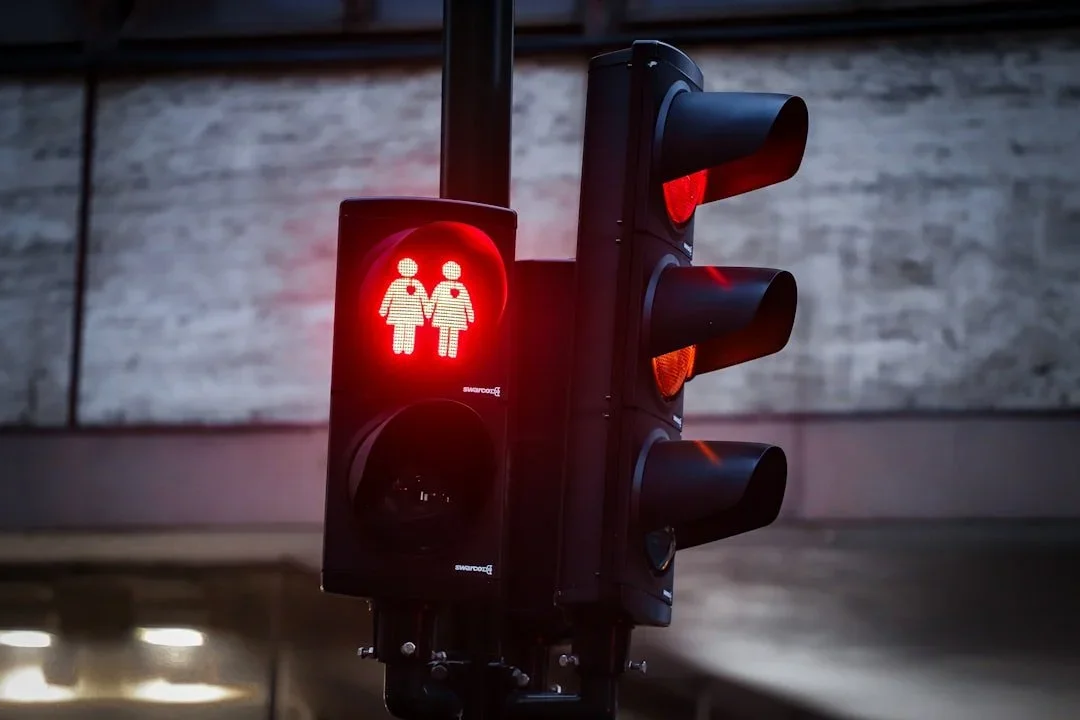
Coming Out as an Adult: A Guide to Exploring LGBTQ+ Identity Later in Life
Coming out later in life is more common than people realize. Many adults spend years, sometimes even decades, suppressing or questioning their sexual orientation or gender identity before finally allowing themselves to explore and embody who they truly are.
There is no “right” timeline for coming out. For many, later-in-life coming out happens after major life transitions: divorce, kids growing up, leaving a religious community, or finally feeling safe enough to ask questions that were once too scary to touch. It can be a long process of first coming out to yourself, then deciding if, when, and how to share this with others in your life.

Understanding the Ace Spectrum: Moving Beyond the Invisible Orientation
Asexuality is often described as experiencing a lack of or limited sexual attraction to others. For some people, this looks like having little or no desire to engage in sex. For others, sex may still be enjoyable or meaningful, just not because of sexual attraction. Like all orientations, asexuality is about internal experience, not behavior. Many ace people have sex, and many don’t; what makes someone asexual is that they identify as such.

The Alternative Model for Personality Disorders: Why a New, Compassionate Approach Matters
If you’ve ever been told you might have a personality disorder (or wondered if a family member, partner, or friend might) you probably know how heavy that can feel. For many people, those words carry shame, fear, or confusion — as if something deep inside is “wrong” or unchangeable. This is certainly the lens taken by most media; how often are we shown villains with borderline or paranoid personality disorders? But the truth is, our understanding of personality has come a long way.

Navigating Grief During the Holidays: Tips for Coping with Loss, Anxiety, and Emotional Stress
The holiday season is often portrayed as a time of warmth, connection, and celebration. Everywhere we turn, we’re met with images of cozy gatherings, sparkling lights, and the expectation that this time of year should feel joyful. But for many people, the holidays bring something very different: grief, in all its complexity.

Future EMDR: Using EMDR to Reduce Anxiety and Prepare for Stress
EMDR is an evidence-based therapeutic approach that helps people process traumatic memories. It involves bilateral stimulation, which is a fancy way of saying it involves gentle back-and-forth movements. This might look like small hand buzzers that buzz back-and-forth between each hand, or a light bar moving side-to-side while a person tracks it with their eyes. This bilateral stimulation helps people reprocess the experience and can provide a release from the emotional grip of this distressing memory.
Oftentimes, trauma symptoms show up unexpectedly. You might be strolling through a park or walking through the grocery store and suddenly feel like you’re back in the moment where something awful happened. Your heart races, your chest tightens, and your body reacts as if you’re in danger again. You might even feel like you are the age when the traumatic experience happened, even if it’s been decades since.

Finding Strength After Trauma: Understanding Post-Traumatic Growth
When we talk about trauma (both in and out of mental health settings), we often focus on what is lost or diminished — our sense of safety, confidence, and control. This is understandable because trauma often shakes the very foundation of who we are. However, over time and with support, another outcome is possible. Alongside the suffering, growth can occur.

How Attachment Styles Shape Sex, Intimacy, and Emotional Connection
Sex and intimacy are some of the most tender ways we connect with others—and, in many ways, they’re mirrors. They reflect how we give and receive love, how safe we feel being seen, and what we learned early on about closeness, trust, and vulnerability.

If Sleep Were Easy, We’d All Be Thriving: Realistic Ways to Calm an Anxious Mind at Night
I find it genuinely insulting how much sleep humans need. The wellness checklist always starts off reasonable: eat healthy, drink water, exercise, nurture your relationships… but the moment some professional casually tacks on, “Oh, and get an amazing, uninterrupted, eight hours of sleep per night,” I feel my body tense, a reaction I get when I feel the need to defend myself. Did an alien who has never struggled to fall asleep write this list? Can we get some empathy on this one, please? We have endless data and articles reminding us about how important sleep is, but when it comes to realistic ways to actually fall asleep… crickets. Which is ironic, because that sound would probably knock half of us out cold.

What Is Neurodivergence? Understanding Neurodiversity and the Importance of Neuroaffirming Therapy
Defining Neurodivergence & Neurodiversity
Neurodivergence is a broad term that encapsulates a range of identities such as autism, ADHD, dyslexia, dyscalculia, and other cognitive or sensory differences. We live in a world that is largely designed for neurotypical people, and the needs of people who are neurodivergent are often not considered. Yet neurodivergent people are expected to meet neurotypical standards, which can be the source of a lot of suffering.
Neurodiversity is a term that reflects the idea that there is no one “normal” or “right” way to think, learn, or process information. Importantly, neurodiversity isn’t only about diagnostic labels; it’s also about rejecting ableist assumptions about what it means to be “functional,” “social,” or “successful.” Diversity in neurological wiring, like diversity in culture, gender, or other forms of identity, is a vital and valuable part of humanity.

Letting Go of Expectations: How to Reclaim Your Identity and Self-Worth
Expectations are woven into our lives from an early age. Some are spoken outright – what it means to succeed, belong, or thrive. Others are unspoken but deeply felt, tied to our identities and shaped by the cultural, societal, and familial worlds we inhabit. From a young age, we may internalize messages about what it means to be “good enough,” “smart enough,” or “acceptable,” often without even realizing it. These messages can influence how we think, act, and feel about ourselves for years to come.