Future EMDR: Using EMDR to Reduce Anxiety and Prepare for Stress
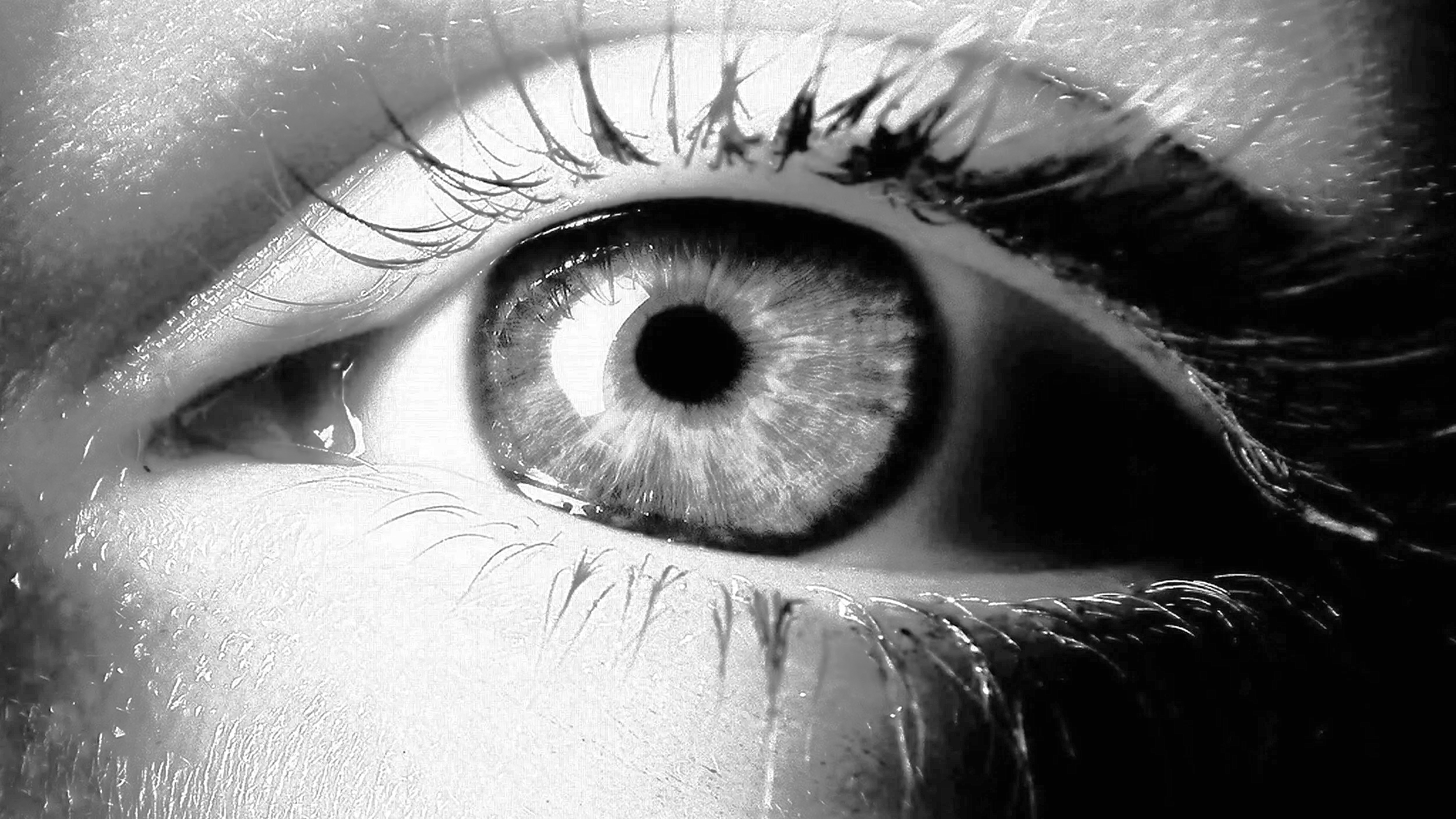
EMDR is an evidence-based therapeutic approach that helps people process traumatic memories. It involves bilateral stimulation, which is a fancy way of saying it involves gentle back-and-forth movements. This might look like small hand buzzers that buzz back-and-forth between each hand, or a light bar moving side-to-side while a person tracks it with their eyes. This bilateral stimulation helps people reprocess the experience and can provide a release from the emotional grip of this distressing memory.
Oftentimes, trauma symptoms show up unexpectedly. You might be strolling through a park or walking through the grocery store and suddenly feel like you’re back in the moment where something awful happened. Your heart races, your chest tightens, and your body reacts as if you’re in danger again. You might even feel like you are the age when the traumatic experience happened, even if it’s been decades since.
This is because trauma fragments our sequential memory (Van der Kolk, 2015), meaning when we are experiencing a flashback, it feels like the traumatic event is happening right now, instead of twenty years ago. Our brains are whacky little things that sometimes need a reminder that the danger is over and that we’re safe in the present moment.
EMDR helps by placing that distressing memory back in its proper timeslot in your life story. It doesn’t erase what happened, but it helps your nervous system store the memory in a calmer, more adaptive way. I’ve included a short YouTube video below that goes a bit deeper into how this process works.
What We’re Really Here To Talk About: Future EMDR
With traditional EMDR becoming more well-known, I wanted to put a spotlight on something that doesn’t get nearly enough attention. It’s often called by different variations of the same name, but I like to refer to it as Future EMDR.
Future EMDR is a technique used to help clients mentally prepare for anticipated future events that they do not feel emotionally prepared for, whether it be because of fear, anxiety, stress, or other factors. For this intervention, a therapist will help a person create a mental "movie" of themselves successfully navigating a future situation, using a positive belief and bilateral stimulation to build self-confidence and agency.
This is not about creating a false narrative. We are not expecting you to be enthusiastic about a doctor’s appointment, over-the-moon about asking your curmudgeonly boss for a raise, or tranquil when ending a relationship.
This is about actually visualizing what this situation would even look like and how you could truly see yourself navigating it. Honestly, it reminds me a bit of The Rehearsal on HBOMax, except this future experience happens entirely in your own mind, and Nathan Fielder isn’t there to direct it. Phew.
This approach can be used on its own, or as a follow-up to traditional EMDR once the original memory reprocessing work is complete (more on that later). Most clients find that a single session is sufficient for a stand-alone Future EMDR intervention; however, it can take longer depending on how the session unfolds. This intervention isn’t a one-time-only, drop-in session; it’s meant to be part of your ongoing therapy work with your trusted therapist.

When a Single Future EMDR Session Makes Sense
(and When It’s Best to Pair it With Traditional EMDR)
Sometimes we are fearful of a future event that isn’t linked to trauma or an already negative experience. For example, you might feel anxious about taking your driver’s test, even though you’ve never had a bad experiences with cars. Or you might be terrified to give a presentation, despite never having a traumatic experience speaking in front of others. If this is the case, where there is no past trauma associated with your future event, then Future EMDR could work well for you.
However, if the upcoming event feels scary because it’s connected to a past traumatic experience, it’s usually best to start with traditional EMDR. For instance, if you’re anxious about driving because you were in a previous car accident, your therapist would likely begin by reprocessing that original memory, through traditional EMDR, before moving on to Future EMDR.
A skilled EMDR-trained therapist can help advise you on what the best approach is based on what you’re coming in with, so never feel like you need to have all of this figured out by yourself. That’s what we’re here for!
My Hope For You
I hope readers interested in Future EMDR know that they are not alone (such a therapist thing to say, but I can’t help it.) Whenever I mention future EMDR to clients, they tell me they had no idea that this intervention existed. This, in my opinion, is an indication that the mental health field hasn’t done enough to get the word out about this wonderful therapeutic option. It gives your brain and body a chance to practice (dare I say, rehearse) feeling calm and capable before the real “thing” happens, with a therapist that is there to support you at every step of the way. How amazing is that??? How are we not shouting about this on the rooftops?!
If you feel like you’ve talked about an anxiety-provoking future event over and over again and nothing seems to help, Future EMDR might be a good fit.
Citations
Van der Kolk, Bessel A. The Body Keeps the Score: Brain, Mind, and Body in the Healing of Trauma. Penguin Books, 2015.
YouTube, ADAA_Anxiety, 9 Dec. 2024, www.youtube.com/watch?v=dsh3b3pQBrI.
Fielder, N., Smith, C., & McManus, D. (Executive Producers). (2022–present). The Rehearsal [TV series]. HBO Max.
EMDR Therapy Denver, Colorado
If Future EMDR sounds like it could help you, you don’t have to navigate it alone. At Authentic Connections Therapy and Wellness, our EMDR-trained therapists are here to guide you through both traditional and Future EMDR sessions, helping you reprocess past experiences and build confidence for what lies ahead.
Whether you’re preparing for a challenging future event or working through trauma from the past, we can help you feel supported, calm, and capable every step of the way.