
ACTW Blogs Written by our Expert Therapists
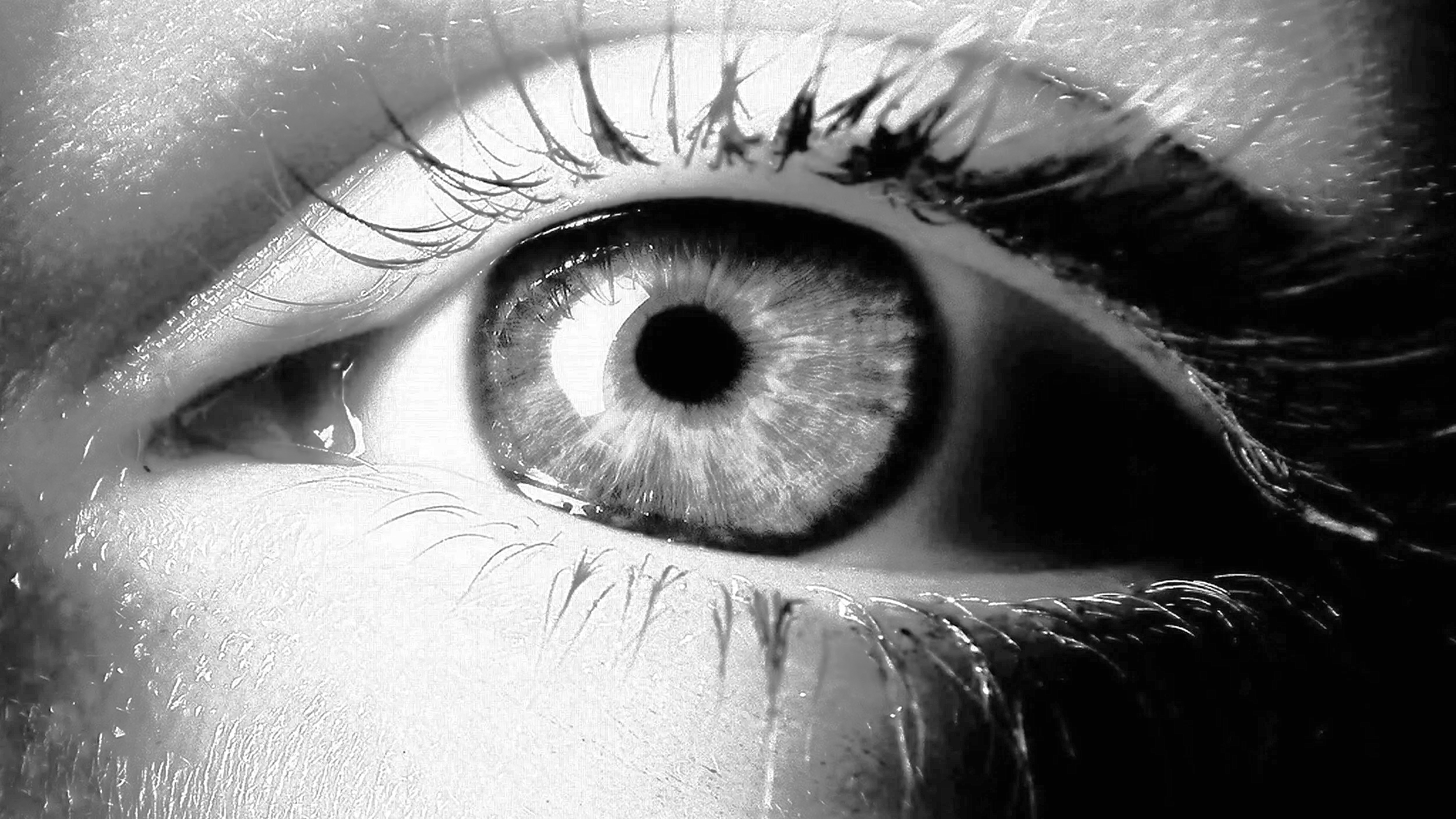
Future EMDR: Using EMDR to Reduce Anxiety and Prepare for Stress
EMDR is an evidence-based therapeutic approach that helps people process traumatic memories. It involves bilateral stimulation, which is a fancy way of saying it involves gentle back-and-forth movements. This might look like small hand buzzers that buzz back-and-forth between each hand, or a light bar moving side-to-side while a person tracks it with their eyes. This bilateral stimulation helps people reprocess the experience and can provide a release from the emotional grip of this distressing memory.
Oftentimes, trauma symptoms show up unexpectedly. You might be strolling through a park or walking through the grocery store and suddenly feel like you’re back in the moment where something awful happened. Your heart races, your chest tightens, and your body reacts as if you’re in danger again. You might even feel like you are the age when the traumatic experience happened, even if it’s been decades since.

How EMDR in Couples Therapy Can Heal Past Wounds and Strengthen Your Relationship
When people hear "EMDR," they usually think of individual therapy, often someone working through past trauma, painful memories, or deep-seated anxiety. However, many people may not realize or consider that EMDR (Eye Movement Desensitization and Reprocessing) can also be a powerful tool in couples therapy. When used thoughtfully, EMDR helps partners not just heal as individuals, but grow closer by understanding how past wounds shape their present interactions.

Healing Trauma with EMDR: Transforming Pain, Reconnecting to Self, and Rewiring Beliefs
Trauma can linger in our minds and bodies and leave an impact on how we see ourselves and the world around us. It influences our responses, relationships, and even the ways in which we attempt to shield ourselves from further pain. Often, in response to this pain, we exile the parts of ourselves that feel too overwhelming to face, such as our memories or beliefs about ourselves.

Let Go of Heartbreak: How EMDR Therapy Can Rewire Your Brain for Healing
Breakups don’t just hurt—they can feel impossible to move on from. If you’ve ever felt trapped in a cycle of waves of pain, replaying memories, or feeling like you just can’t let go of an ex, you’re not alone.
Research shows that the brain processes heartbreak just like physical pain, which explains why heartbreak can feel emotionally, mentally and physically painful. But what if there was a way to rewire your brain to heal and move past this pain?
That is one of the things EMDR (Eye Movement Desensitization and Reprocessing) therapy can do. EMDR was originally developed for trauma but is now being used to help people process breakups, let go of emotional pain, and move forward.

EMDR and Attachment: Healing Through Connection
When considering how to approach relational challenges, one area of exploration that may be helpful is identifying and processing past trauma, often stemming from early attachment experiences. Eye Movement Desensitization and Reprocessing (EMDR) therapy is commonly used for healing individual trauma, which in turn can heal attachment wounds that come from it. Below we will discuss the relationship between EMDR therapy and attachment theory, and how combining these two lenses can help facilitate profound healing.