
ACTW Blogs Written by our Expert Therapists
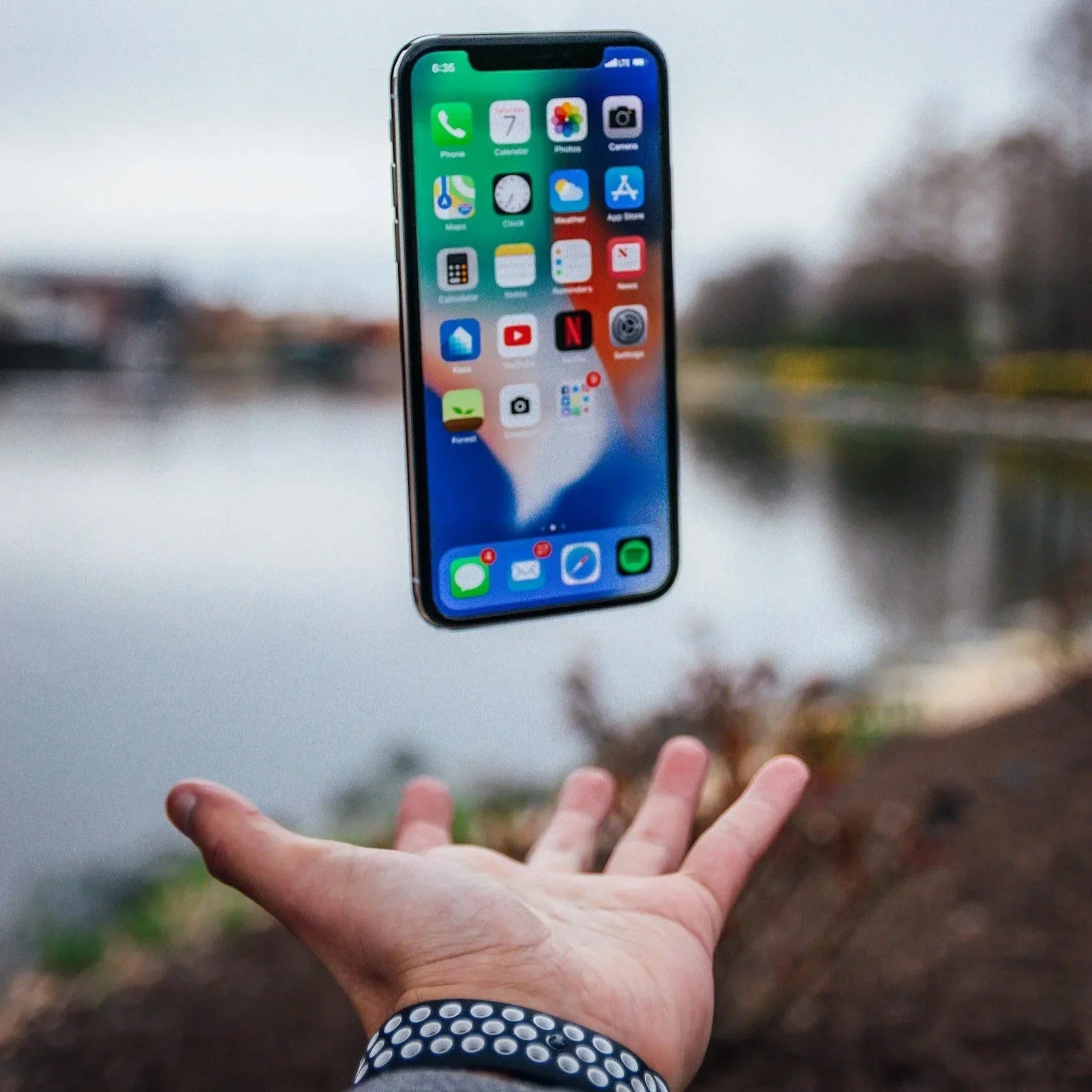
Rethinking Your Relationship With Your Phone: Practical Ways to Reduce Screen Time and Build Healthier Digital Habits
Rethinking Your Relationship With Your Phone
There is a lot of shame around our relationship with our phones. How much we use them, what we Google about our own problems, and how compulsive it can feel to check them. These devices are intentionally designed to be addictive, yet we’re often left holding the shame of being pulled in.
Most of us already know this.
But with AI on the rise and people increasingly turning to their phones for answers, support, and distraction, screen time is only becoming more embedded in our daily lives. Instead of adding more shame or rigid rules, I want to offer a different approach. One that is practical, internally driven, and invites you to consider your own relationship with your phone. In the following sections, I will share several practical strategies you can try, each designed to help you shape your phone habits in realistic, sustainable ways.

How to Overcome the Disconnect Between External Success and Internal Fulfillment
I’ve been doing therapy with folks for years and there are certain phrases that I’ve heard time and time again that are so ubiquitous that I feel the need to write about them. This single phrase has shown up across different clients, relationships, careers, family dynamics, and life decisions. People tend to say it when they’re talking about something that feels hollow or unfulfilling. It might be used to justify a relationship, a job, a home, or some version of the life they thought they wanted.

Why Your First Money Memory Matters: Exploring Financial Wellness in Therapy
In the Stone Ages of psychotherapy, it was rare to discuss topics that were considered taboo, such as politics, money, or religion. Thankfully, this is no longer the case — your relationship with money can be a powerful topic to explore in therapy.
As a therapist, I embrace taboo. Therapy is a space where topics that are often avoided can be given air in a culture that stifles them. Money is not a “gross” or “embarrassing” topic — treating it as such only gives it more control. We all need to interact with money, and for many reasons, these interactions are often stressful, shame-filled, and defeating. Furthermore, there are very real systemic barriers to financial wellness that impact people in major ways that fuel this distress.

Future EMDR: Using EMDR to Reduce Anxiety and Prepare for Stress
EMDR is an evidence-based therapeutic approach that helps people process traumatic memories. It involves bilateral stimulation, which is a fancy way of saying it involves gentle back-and-forth movements. This might look like small hand buzzers that buzz back-and-forth between each hand, or a light bar moving side-to-side while a person tracks it with their eyes. This bilateral stimulation helps people reprocess the experience and can provide a release from the emotional grip of this distressing memory.
Oftentimes, trauma symptoms show up unexpectedly. You might be strolling through a park or walking through the grocery store and suddenly feel like you’re back in the moment where something awful happened. Your heart races, your chest tightens, and your body reacts as if you’re in danger again. You might even feel like you are the age when the traumatic experience happened, even if it’s been decades since.

If Sleep Were Easy, We’d All Be Thriving: Realistic Ways to Calm an Anxious Mind at Night
I find it genuinely insulting how much sleep humans need. The wellness checklist always starts off reasonable: eat healthy, drink water, exercise, nurture your relationships… but the moment some professional casually tacks on, “Oh, and get an amazing, uninterrupted, eight hours of sleep per night,” I feel my body tense, a reaction I get when I feel the need to defend myself. Did an alien who has never struggled to fall asleep write this list? Can we get some empathy on this one, please? We have endless data and articles reminding us about how important sleep is, but when it comes to realistic ways to actually fall asleep… crickets. Which is ironic, because that sound would probably knock half of us out cold.