Coming Out as an Adult: A Guide to Exploring LGBTQ+ Identity Later in Life
Coming out later in life is more common than people realize. Many adults spend years, sometimes even decades, suppressing or questioning their sexual orientation or gender identity before finally allowing themselves to explore and embody who they truly are.
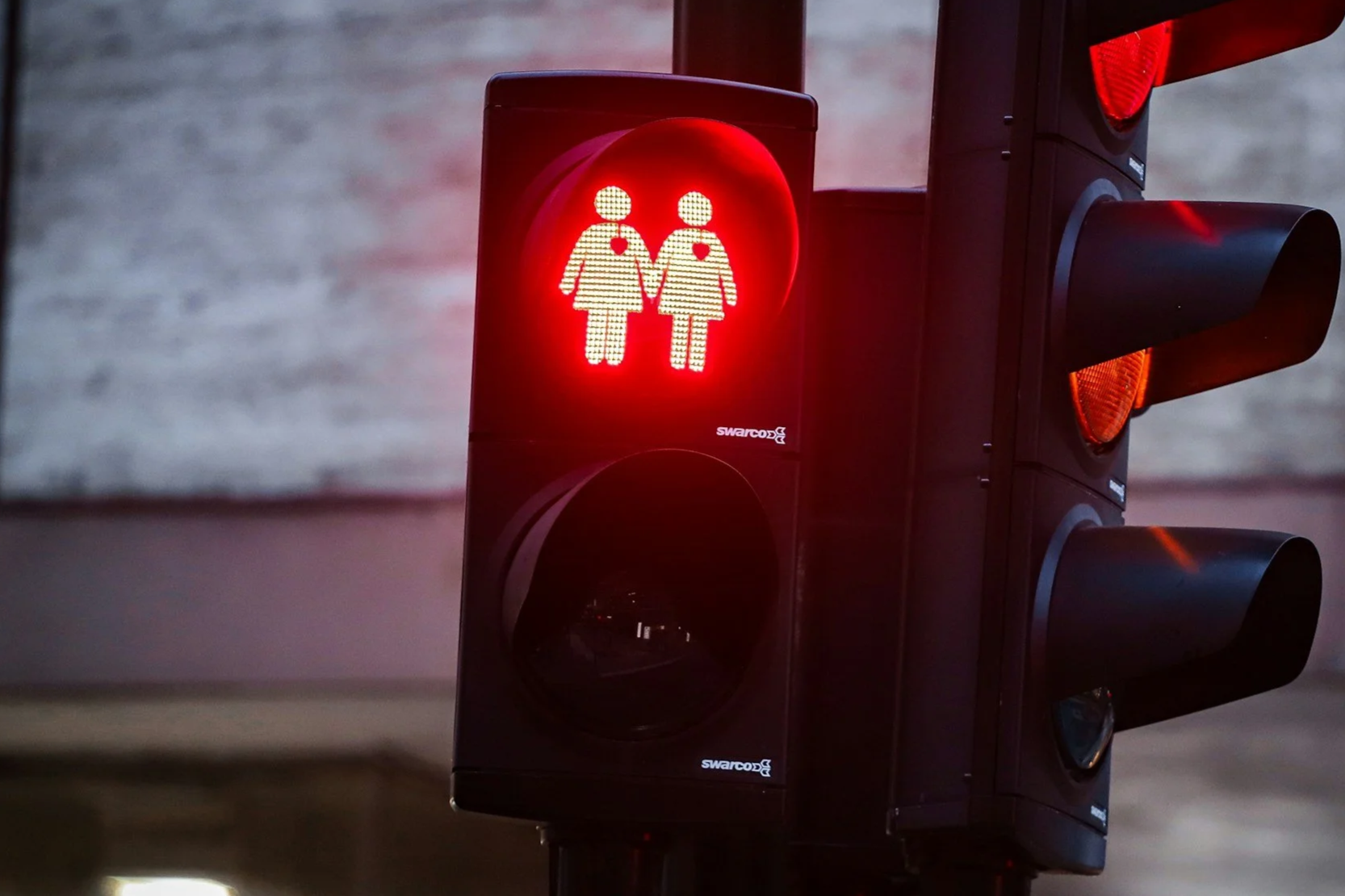
There is no “right” timeline for coming out. For many, later-in-life coming out happens after major life transitions: divorce, kids growing up, leaving a religious community, or finally feeling safe enough to ask questions that were once too scary to touch. It can be a long process of first coming out to yourself, then deciding if, when, and how to share this with others in your life.
If you’re in the process of exploring your identity or considering coming out, you’re not behind. You’re right on time for your own life. Here’s what many people experience and how to find support along the way.
Why People Come Out Later in Life
There are many reasons someone might begin exploring their sexual orientation or gender identity later in adulthood:
1. Cultural or Religious Pressure- Growing up in environments where queer or transgender identities were stigmatized can cause people to bury or disconnect from their identity. Many adults describe “finally having permission” to explore who they are.
2. Cognitive or Emotional Safety- Some people only feel safe enough to question their identity once they’ve reached a stable life stage: financial security, distance from family, or leaving a particular community.
3. Emotional Numbness or Dissociation Lifting- Trauma, survival mode, or chronic stress can suppress self-awareness. When life settles, you may have more space for parts of yourself to become clearer.
4. Falling in Love or Having New Experiences- New relationships, friendships, or community connections may awaken previously unrecognized or unexpressed feelings.
5. Just Because-You don’t need to have a reason for coming out later in life. Sometimes, that’s just how things unfold, and that’s okay.
Common Experiences When Coming Out Later in Life
Confusion and Self-Doubt
Many adults ask:
“Why didn’t I realize this sooner?”
“Was my past life a lie?”
“Does this even ‘count’ if it’s happening in my 40s or 50s?”
These questions are normal. Identity unfolds at its own pace.

Grief and Loss
You may grieve:
A marriage or long-term partnership
Years spent hiding parts of yourself
Missed experiences or milestones
Changes in family or social dynamics
Excitement and Relief
Many people feel a profound sense of alignment that comes with finally living a life that matches their inner world.
Fear of Judgment or Rejection
It is common to wonder things like, “how do I tell my spouse I’m gay,” “how do I come out to my adult children,” or “will my friends and family accept me?” These worries are deeply understandable. It can be even harder to stomach the possibility of people judging or questioning your identity when you have had similar judgments or uncertainties about yourself as well.
Desire for Community
One of the most common needs is finding people who “get it.” Other late bloomers, queer adults, LGBTQ-affirming therapists, or supportive peers are important to help you feel less alone.
How Coming Out Later in Life Can Impact Relationships
Marriage or Long-Term Partnerships
Coming out can place strain on relationships built under heteronormative assumptions. Some couples separate; others renegotiate their relationship structure. There is no “right way” to navigate this.
Family Dynamics
Adult children may need time to process. Parents or relatives may respond with confusion, grief, or support. Your job is not to manage their reactions; it’s to live authentically. You might be feeling joy and excitement about finally living authentically as a queer or transgender person, while also holding a lot of grief and sadness about how others have reacted.
Friendships
Some friendships deepen. Some shift. Many people ultimately build stronger, more aligned support networks.
Healing While Navigating a Late-in-Life Coming Out Journey
1. Validate Your Own Timeline
There is no expiration date on self-discovery. You are not late. You are right on time.
2. Learn About Queer Identity and Community
Reading LGBTQ memoirs, blogs, forums, and psychology articles can help you feel less alone.
3. Work Through Internalized Queerphobia
Growing up in cishet-dominant environments often creates shame, fear, or confusion around queer and trans identity. Healing involves:
Naming harmful messages you absorbed
Exploring where they came from
Replacing them with affirming truths

4. Seek LGBTQ-Affirming Therapy
A therapist can help you process grief, identity shifts, relationship decisions, and internalized stigma. Clients often find therapy most helpful for:
Navigating changes in relationships
Understanding new feelings and past experiences
Exploring queerness without pressure
Managing anxiety, guilt, and grief
5. Connect with Community
Community is one of the strongest predictors of wellbeing during major identity transitions. Look for:
Local LGBTQ centers
Online queer support groups
Affirming social media communities
Late-bloomers LGBTQ groups
6. Pace Yourself
You don’t need to come out to everyone at once. Start where you feel safest. You get to decide who to share this with. Build your support system brick by brick.
What to Expect Emotionally When Coming Out Later in Life
You may experience:
Waves of intense emotion
Periods of clarity followed by doubt
Exhilaration and fear at the same time
Identity expansion
A reorganization of relationships
Deeper self-connection
These feelings are not signs you’re doing something wrong. They’re signs you’re doing something meaningful and important.

How to Find Support If You’re Coming Out Later in Life
Here are practical steps many adults take:
Explore Queer Community Spaces- These can offer validation, shared experience, and a sense of belonging.
Build a Supportive Circle- Identify at least one safe person in your life. Let them walk alongside you at your pace.
Read Stories from Other Late Bloomers- Representation helps normalize your experience and reduce shame.
Final Thoughts: You Are Not Alone, and You Are Not Late
Coming out later in life is both a transition and a homecoming. It can bring grief, joy, fear, clarity, confusion, and liberation. It’s okay to take your time with it. Your story deserves to be held with compassion.
If you’re exploring your identity or considering coming out later in life, therapy can provide a structured, affirming space to unpack your feelings, understand your needs, and move toward a life that feels authentic and grounded.
LGBTQ+ Counseling in Denver, Colorado
If you are exploring your identity or considering coming out later in life, you deserve support that honors your pace and your experience. Within Authentic Connections Therapy and Wellness, our affirming and experienced therapists provide a compassionate space to process identity exploration, relationship changes, and the mix of emotions that can arise during this transition. Reach out to learn how therapy can support you in living more authentically and feeling grounded in who you are.