
ACTW Blogs Written by our Expert Therapists
Healing from Parentification: Signs, Impact, and How to Flourish in Adulthood
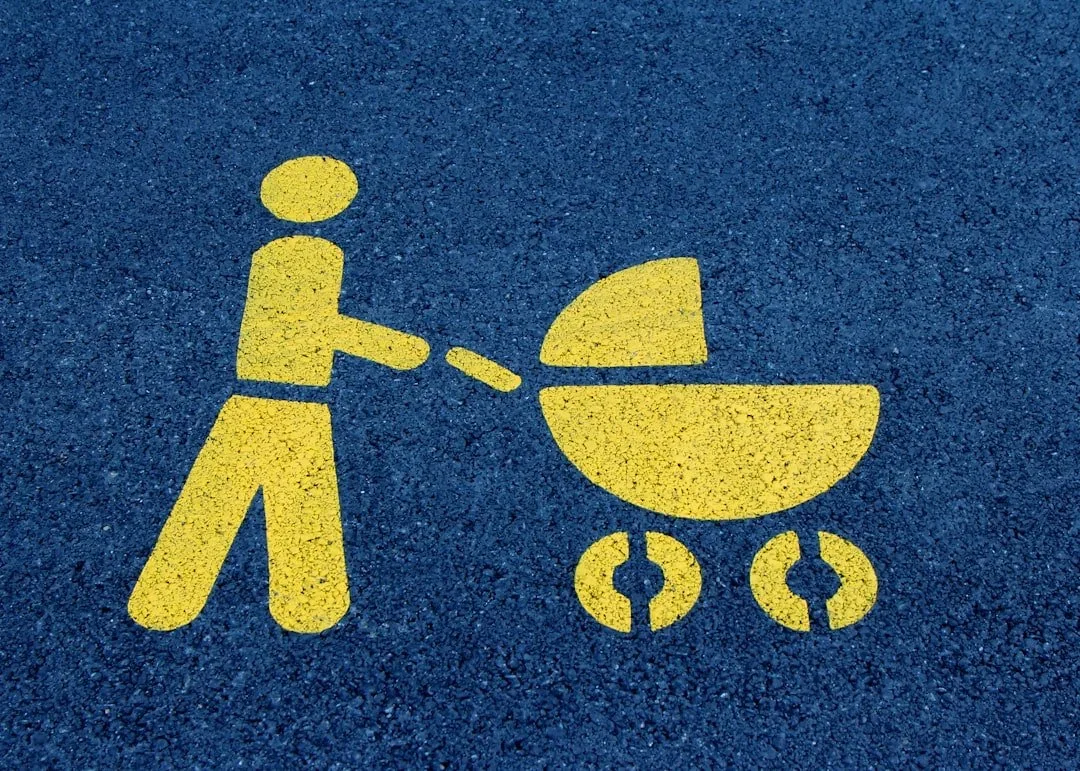
Many people come to therapy with the sense that they’ve always had to be “the strong one.” It may be a source of pride and identity, but also lead to exhaustion, resentment, guilt, or anxiety. This “strong one” role often goes unnoticed because people’s lives look stable from the outside. Usually, early in therapy, the childhood experience of parentification comes to light.
Parentification describes when a child is placed in the role of a parent before they are developmentally ready for these responsibilities. While children naturally take on responsibilities as they grow, parentification goes beyond age-appropriate contribution. It requires a child to prioritize the needs of the adults around them while minimizing or suppressing their own.

Adverse Childhood Experiences (ACEs): How Early Trauma Impacts Mental and Physical Health
Many people come to therapy saying something like, “My childhood wasn’t that bad,” or “Other people had it worse, why am I struggling now?” Downplaying early experiences is incredibly common, especially when stress or conflict were frequent growing up. However, one of the most important discoveries in mental health research is that early adversity influences not just emotional well-being, but physical health as well. These early experiences are known as Adverse Childhood Experiences, or ACEs.

The Alternative Model for Personality Disorders: Why a New, Compassionate Approach Matters
If you’ve ever been told you might have a personality disorder (or wondered if a family member, partner, or friend might) you probably know how heavy that can feel. For many people, those words carry shame, fear, or confusion — as if something deep inside is “wrong” or unchangeable. This is certainly the lens taken by most media; how often are we shown villains with borderline or paranoid personality disorders? But the truth is, our understanding of personality has come a long way.

Finding Strength After Trauma: Understanding Post-Traumatic Growth
When we talk about trauma (both in and out of mental health settings), we often focus on what is lost or diminished — our sense of safety, confidence, and control. This is understandable because trauma often shakes the very foundation of who we are. However, over time and with support, another outcome is possible. Alongside the suffering, growth can occur.